Since the origin of Mankind, communication has always been a very important part of life. From gestures to sounds we always felt the need to communicate with others. It was the beginning for the best tool we could ever have … LANGUAGE.
But different parts of the world developed different languages. Even same regions had different languages. For example, the Romans used to call “barbarians” to all civilisations that didn’t speak their language, Latin. The reason for that, historians say, is the way their languages sounded. According to ancient historians, Julius Ceaser used to say that other tribes and civilisations always sounded like “Ba ba baba", and for that reason he called them Barbarians.
Soon the Roman Empire extended to all Europe and Latin became its official language. In fact we experienced this phenomenon all throughout history. Europe was colonised by the Romans and adopted (or was forced to adopt) their language. Later, countries like England, France, Spain, Portugal, etc., colonised other countries, who also adopted their language.
It created another need, another problem for us to solve. How could we communicate if we all use a different “code”? We needed to build a bridge between all different “codes".
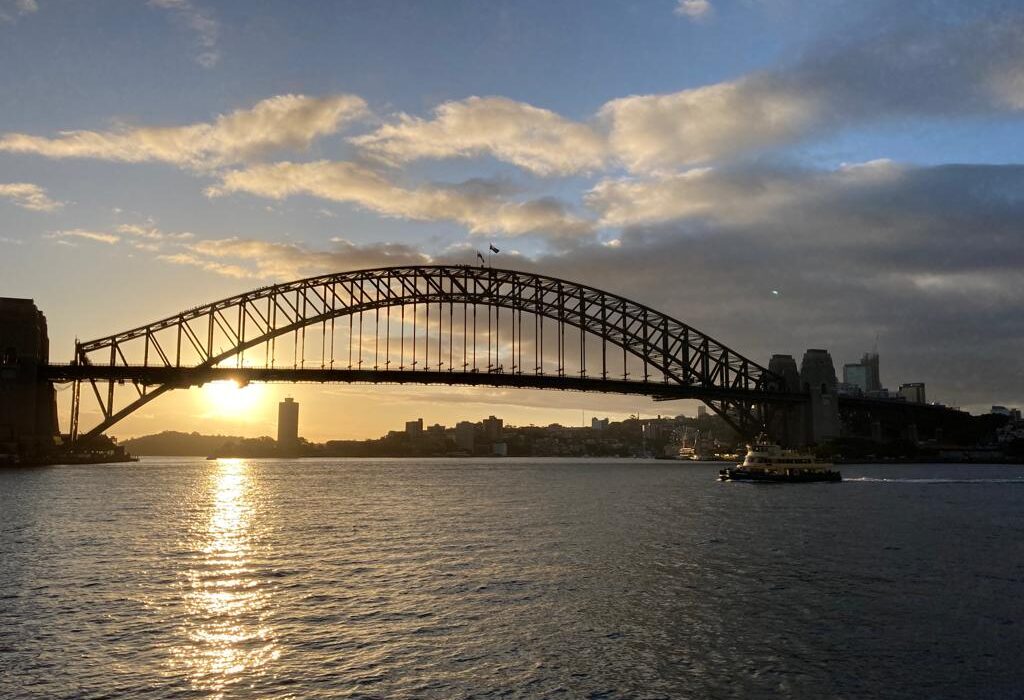
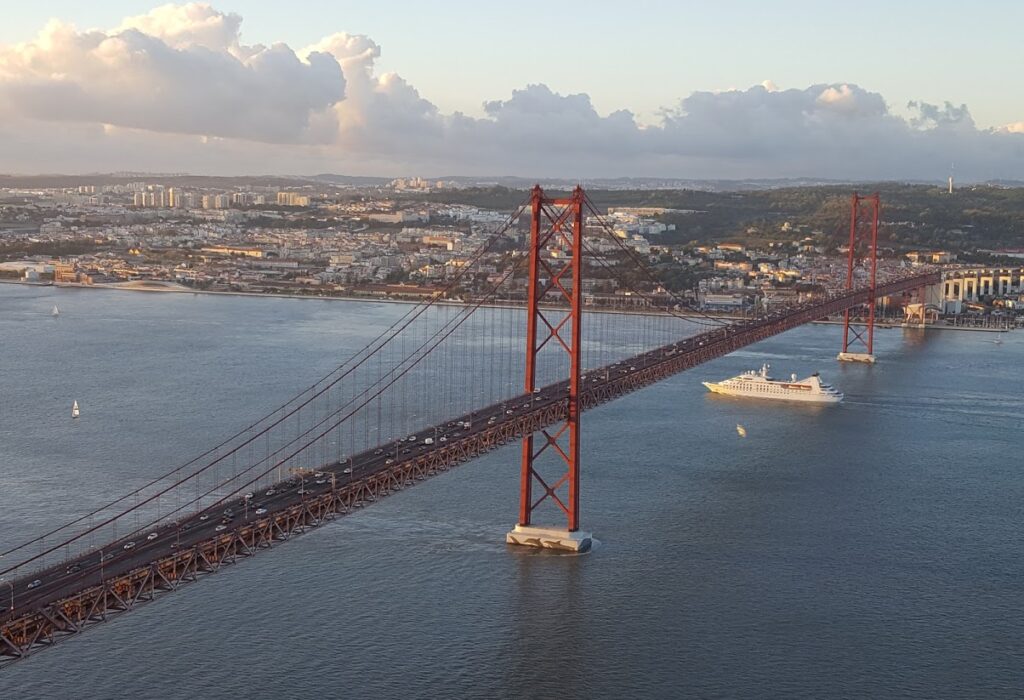
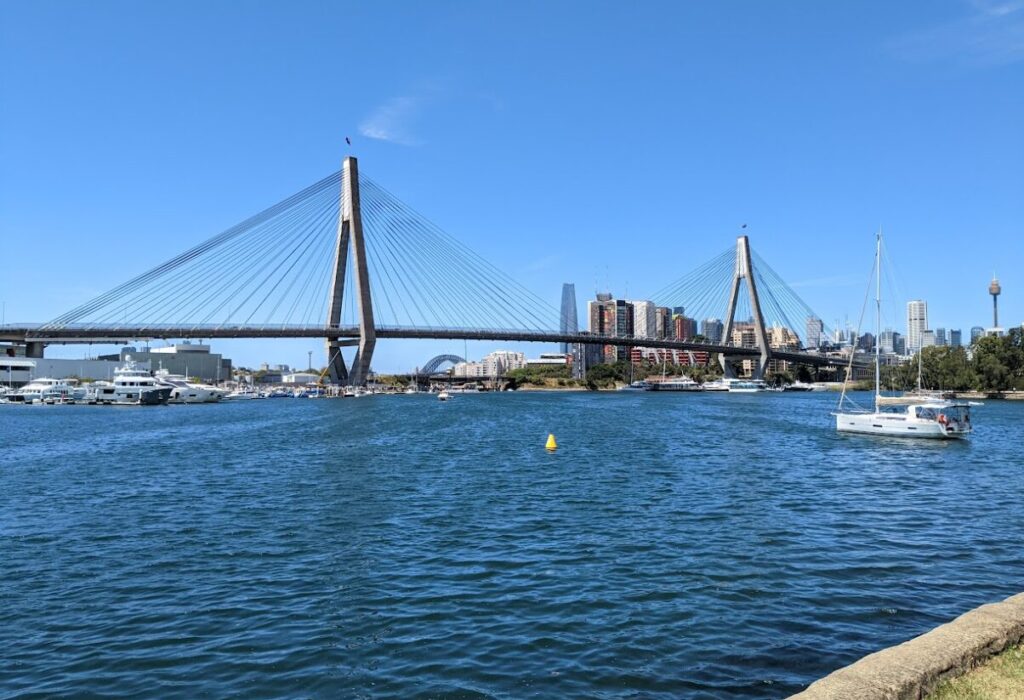
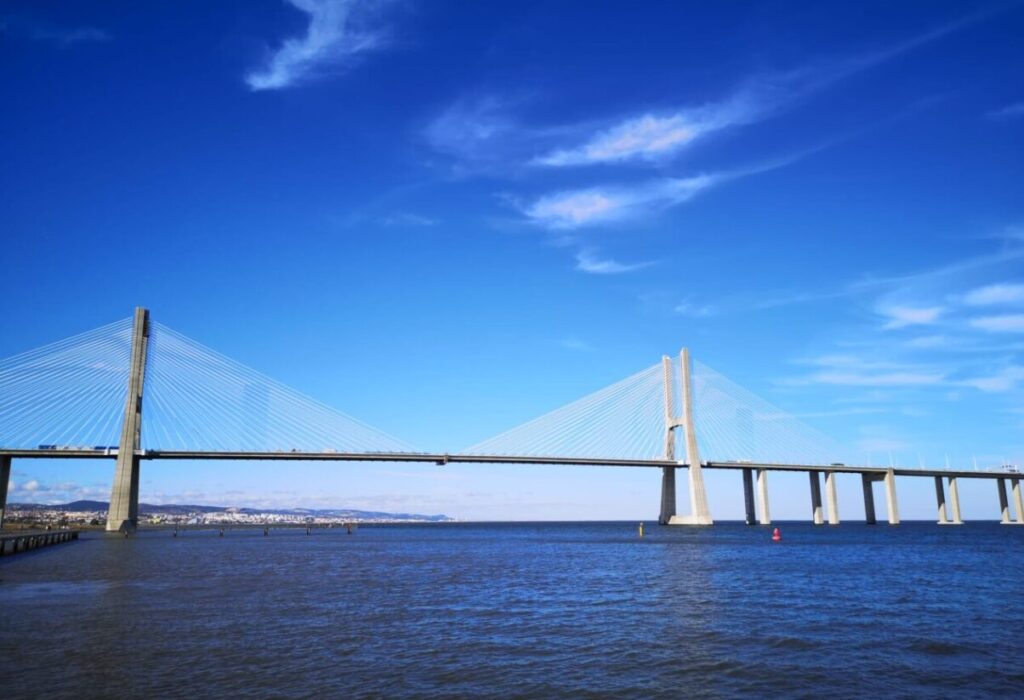
TRANSLATION is that bridge, and translators are passionate workers who built it brick by brick until it’s finished, and a new link is established between two languages and two cultures. It's not a easy task, you have to have knowledge of both sides of that bridge, so you can build it with the best bricks you have.
The world of translation is a world made of all those bridges. To belong to this world you have to work hard and know the bricks you are using. Although several countries in the world may use the same language, each one of them has its own culture, therefore that same language that links them, developed differently for each one of them, so you need to look at their culture and that development before even try to make a connection with another language.
We are glad to be some of those "workers" who keep building bridges between cultures. It is beautiful when we can take a little bit of a culture to another one, somewhere in the other side of world. That’s why we created this team, so you could rely on us to help you building those bridges. This is our home. We invite you to have a look and know us a bit better.
UPDATED WORDS .. we chose the name Updated Words, because that is what we believe translation is. We pick up the words from one language and update them to another. To do that we do a lot of research so when those words reach the other side of the bridge, people there receive exactly the same message there was in the initial code. So if you want to be part of these bridges, this is the right place for you.
We’ll be very pleased to assist you with any enquiries.
|